STUDIO METERING

merv

Suspended / Banned
Messages
1,118
Name
Mervyn
Edit My Images
Yes
I have just taken delivery of an EX 150 studio flash kit but havent got it out of the box yet. I will be shooting still life artefacts and am wondering would I need a light meter. I am thinking of the Sekonics L308S - any thoughts on this one?

If I dont use a meter what combination of shutter speed and f-stop would I use with flash? Also is any particular lens better than any other for shooting still life objects. I have 16-85 and 18-105 nikon lenses and 70-200 amongst others.

Any good websites for tutorials?

So many questions!

:bang::bonk:
 
You'll get opposite opinions on the need for a light meter. You CAN manage without one but you'll get more accurate results, and get them far more quickly, if you do have one. Using a light meter takes away the guesswork, the need to check the histogram and makes life easier.

The shutter speed is irrelevant, as long as the shutter is fully open at the time you take the shot. The shutter speed has no effect on the exposure at any normal speed, so just set to to 1/60th, 1/90th etc, which is a safe speed.

Still life subjects are normally shot with a 'portrait' focal length, e.g. something light 75mm on a full frame camera - but obviously that isn't carved in stone. All that really matters is that it produces sharp results without unwanted image distortion or other faults such as colour fringing.

Tutorials - my website, www.photolearn.co.uk
 
Hi

The more you use your flash the better you will get to know it. Start slowly with one flash head at 45 degrees to your subject and look at the shadows it casts. Then place another flash at 45 degrees to the subject on the other side and set to the exact same exposure output. There will be almost no shadows. Now decrease the power in one of the flash heads. When you decrease the flash power you might have to fire the flash off before taking a photograph to "dump" the earleir setting.

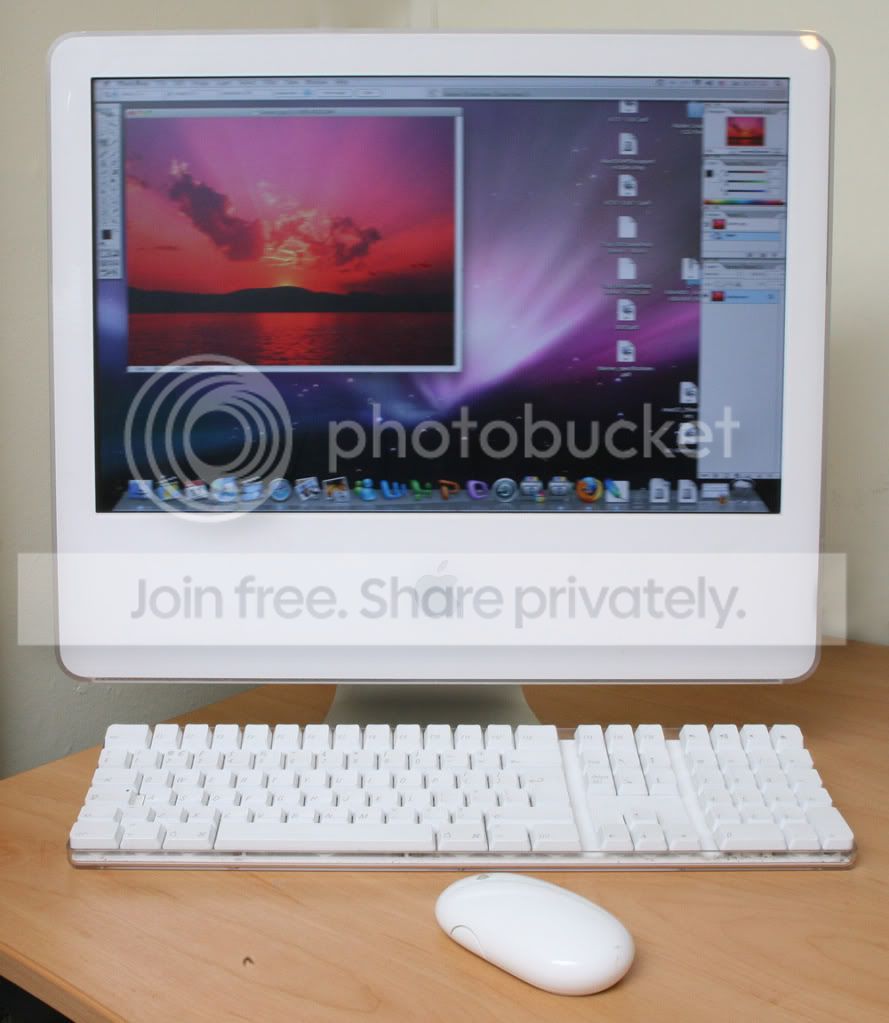
Shutter speed - your camera will have a maximum speed that alllows all of the flash to record - this is normally 1/125 but is different on all cameras. If your camera is 1/125 then setting higher, e.g 1/250th will result in part of the frame being unexposed. A lower shutter speed will not alter the exposure but will allow the available light to have an effect. This is an example of my Imac I took this morning (its for sale plug, plug)

imac.jpg


It was taken at f8 at 1/4sec. The slow shutter speed was to allow for the screen to record and is blurred because I did not fetch the tripod over.

The flash has lit the rest and so I set the colour temperature of the camera to the flash kelvin setting. Although flash is meant to be the same as daylight not all are. I have a set of 20 year old Bowens monogolds that are spot on but my Bowens Esprit 500s are about 300 kelvin out.

The above photograph was taken with a Metz 45ct1. I use an expodisc to get the accurate colour temperature setting these days.

As to aperature the problem with looking at a histogram is that you will get a different reading if the overall image is black to one that is white.

If you are shooting in your studio then I guess a lot of the time everything will be static so you will learn the best exposure. If you are mobile it will change and an exposure meter might be handy.

As to lens get a 100mm macro, the quality will outstrip any zoom

stew
 
Its definately worth getting a flash meter imho (I have a 308s and its been spot on so far)...

I did without one for a while but there is a lot of trial and error involved - the meter just means your setup and ready to go a lot quicker and you can recheck the settings easily should you move some lights around.
 
Back
Top