

You are using an out of date browser. It may not display this or other websites correctly.
You should upgrade or use an alternative browser.
You should upgrade or use an alternative browser.
Raynox 250 or kenko 25 kit?
- Thread starter Suvvey
- Start date

- Messages
- 6,343
- Name
- Nick
- Edit My Images
- Yes
Extension tubes work best with shorter focal lengths; achromats like the Raynox 250 work best with longer focal lengths. You may find these two articles helpful.
http://digital-photography-school.com/extension-tubes-close-up-photography-lesson-2
http://digital-photography-school.com/getting-up-close-with-close-up-lenses
This would make the Raynox 250 a better fit for your 70-300. If you do go down this route I would consider alternatives such as:
Raynox 150, a bit less powerful, larger working distance (6 inches versus 4 inches for the 250), and a bit easier to use than the 250.
Canon 250D, similar power to the Raynox 150, but you can get it in larger diameters, which might help avoid vignetting at shorter focal lengths. That said, the Raynox lenses might not vignette at all on the 70-300; they don't on my Micro Four Thirds 45-175 or 45-200.
Marumi +5, similar power to Raynox 150, but comes in larger diameters, like the Canon 250D.
Canon 500D. Less powerful again, bigger working distance and very easy to use. Nice for flowers and larger invertebrates. Like the Canon 250D, larger diameter than the Raynoxes.
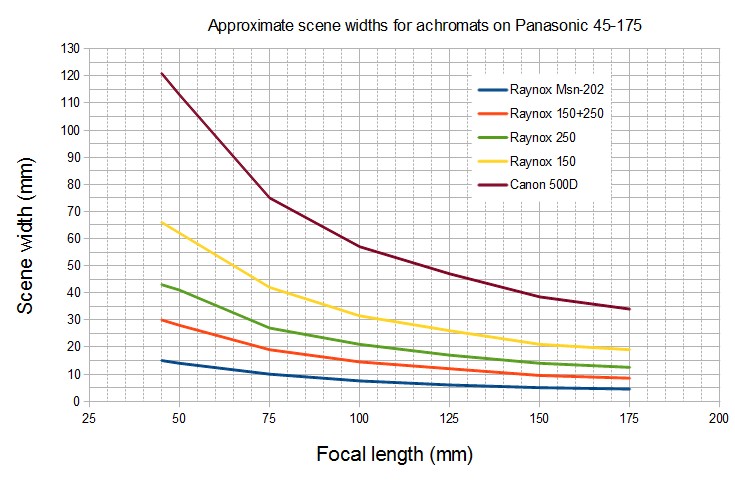
To get a complete range of coverage I use four close-up lenses. In increasing power, decreasing working distance and increasing difficulty to use these are the Canon 500D, Raynox 150, Raynox 250 and Raynox MSN-202, all used on my 45-175. This graph shows the scene widths covered by each of them on my kit. The scene widths would be different for your kit. However, I get almost the same scene widths as I did when using these achromats on a Canon SX10 (tiny sensor) bridge camera, so perhaps they wouldn't be hugely different on your kit.
I believe my 45-175 is roughly equivalent to 70 - 260 in Nikon crop terms. I got very similar scene widths with my 45-200, which equates quite closely to your 70-300 I believe. Don't know if that means you would get the same scene widths as these, but I think it might. (Of course, if you are using FF then my 45-175 equates to 90-350.)
Anyway, the graph illustrates the relationship between the four achromats.

http://digital-photography-school.com/extension-tubes-close-up-photography-lesson-2
http://digital-photography-school.com/getting-up-close-with-close-up-lenses
This would make the Raynox 250 a better fit for your 70-300. If you do go down this route I would consider alternatives such as:
Raynox 150, a bit less powerful, larger working distance (6 inches versus 4 inches for the 250), and a bit easier to use than the 250.
Canon 250D, similar power to the Raynox 150, but you can get it in larger diameters, which might help avoid vignetting at shorter focal lengths. That said, the Raynox lenses might not vignette at all on the 70-300; they don't on my Micro Four Thirds 45-175 or 45-200.
Marumi +5, similar power to Raynox 150, but comes in larger diameters, like the Canon 250D.
Canon 500D. Less powerful again, bigger working distance and very easy to use. Nice for flowers and larger invertebrates. Like the Canon 250D, larger diameter than the Raynoxes.
To get a complete range of coverage I use four close-up lenses. In increasing power, decreasing working distance and increasing difficulty to use these are the Canon 500D, Raynox 150, Raynox 250 and Raynox MSN-202, all used on my 45-175. This graph shows the scene widths covered by each of them on my kit. The scene widths would be different for your kit. However, I get almost the same scene widths as I did when using these achromats on a Canon SX10 (tiny sensor) bridge camera, so perhaps they wouldn't be hugely different on your kit.
I believe my 45-175 is roughly equivalent to 70 - 260 in Nikon crop terms. I got very similar scene widths with my 45-200, which equates quite closely to your 70-300 I believe. Don't know if that means you would get the same scene widths as these, but I think it might. (Of course, if you are using FF then my 45-175 equates to 90-350.)
Anyway, the graph illustrates the relationship between the four achromats.
Last edited:
Wow thanks for taking the time to give me such a detailed response. I never even knew there were so many alternatives. I would be shooting on a d5100 if that makes any difference.
So which would you recommend? I have more options now than when I started lol
So which would you recommend? I have more options now than when I started lol
- Messages
- 6,343
- Name
- Nick
- Edit My Images
- Yes
Wow thanks for taking the time to give me such a detailed response. I never even knew there were so many alternatives. I would be shooting on a d5100 if that makes any difference.
So which would you recommend? I have more options now than when I started lol
I'll talk about achromats, because that's what I know about. But if you have a shorter focal length lens then it would probably be a good idea to get more information/views about extension tubes before making up your mind which way to go.
As between achromats, it depends what you want to take pictures of. The smaller your subjects, the more magnification you need. However, as the magnification gets stronger everything gets more difficult to do.
Personally I think the Raynox 150 gives a nice balance between magnification and usability. I haven't used the Canon 250D or Marumi 200, but they are very similiar in power and presumably also in usability. So any of these might be a good starting point. The Raynox 150 is about half the price of the other two, so that might be a good starter, especially given that if you really get into close-ups/macros you might want to move on to use a macro prime lens.
But, if you really are more interested in taking pictures of a fly's eye or a spider's mouthparts (both popular subjects by the way), or very small insects, then the 250 would be the way to go. Just be aware that while some people get on fine with the 250 from day one, others find it takes some time to get to grips with it, and to begin with can't get anything in focus and may think they either have a defective lens or that it is stupidly difficult to use. In fact, some people find it so frustrating that they give up. If you stick with it though, it should quite soon feel fairly easy to use.
The Canon 500D and similar low power achromats are even easier to use than the Raynox 150, but I would be concerned that you might be disappointed in the low magnification. I use it for small flowers and larger insects like dragonflies, damselflies, and larger species of crane fly, butterfly, moth, slug, snail etc.
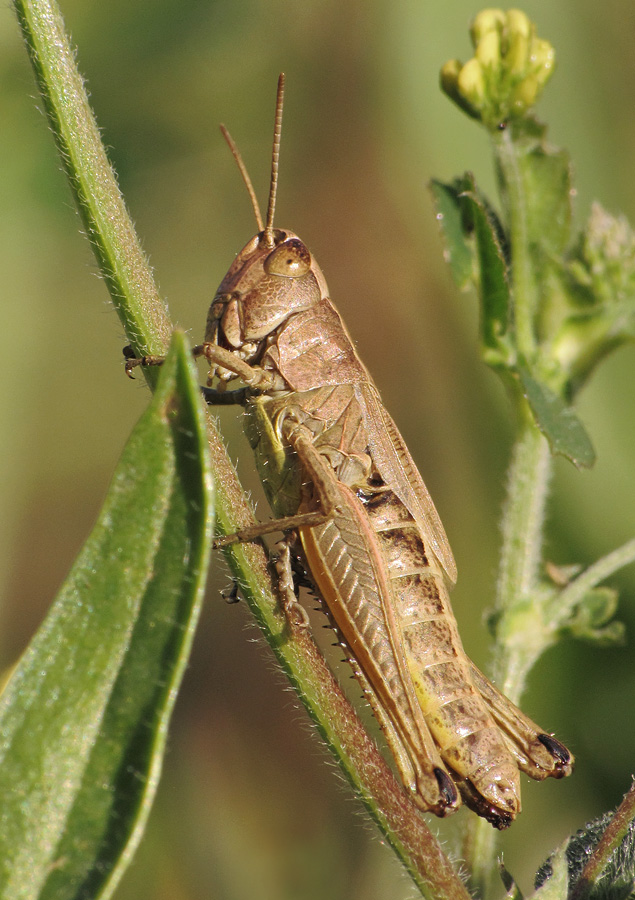
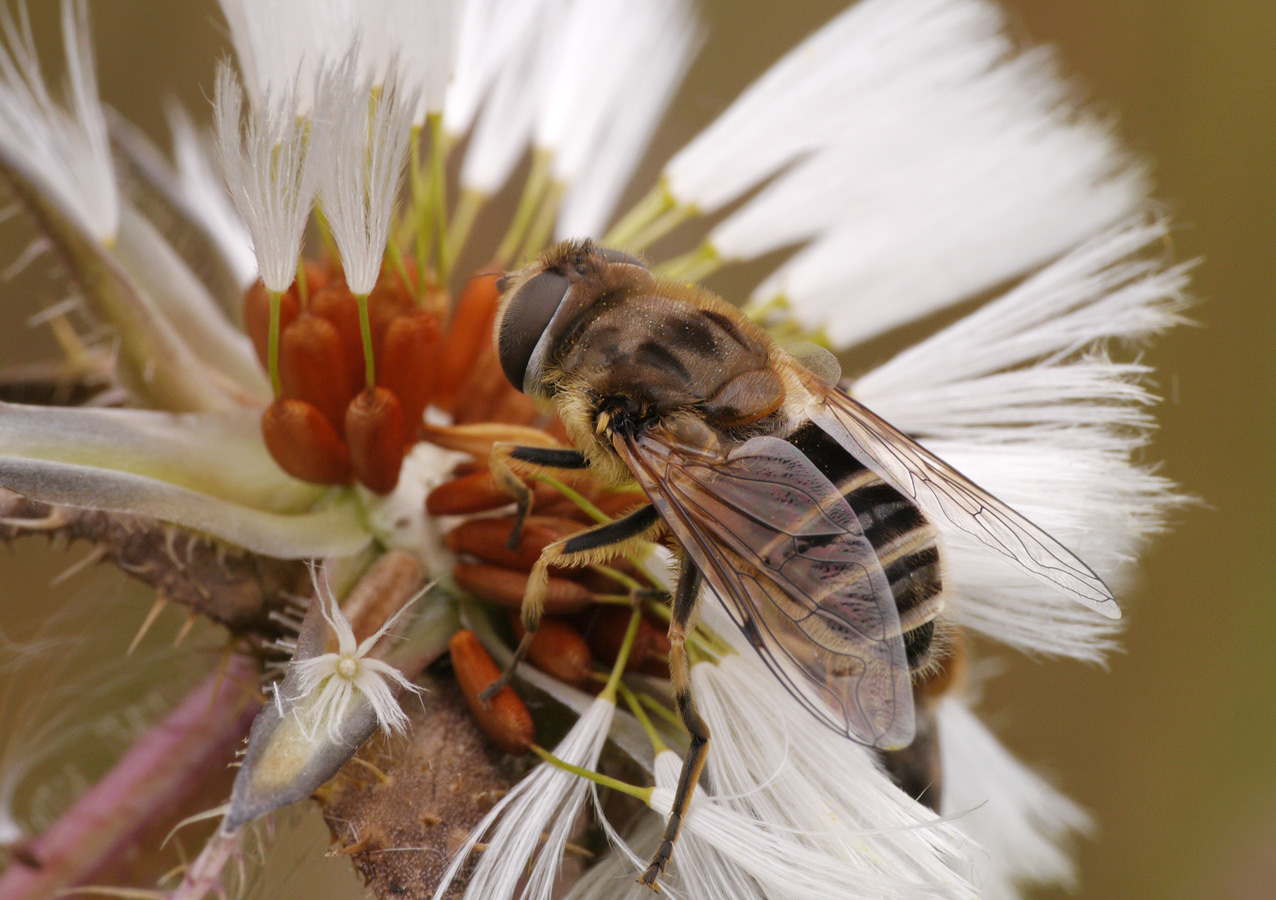
Bear in mind that when I'm talking about lenses in relation to various beasties I'm talking about getting a picture with the whole animal in the picture, often with versions which show the subject and a fair bit of its context/environment around it. Stuff like this ...
AWT 2012_05_27 08 IMG_8679 PS1 CrClBuExDf7x30CuSL21 900hSS32x0.3 by gardenersassistant, on Flickr
AWT 2012_05_27 05 P1090074 PS1 CrLetExDf7x30CuSL10 900hSS95x0.3 by gardenersassistant, on Flickr
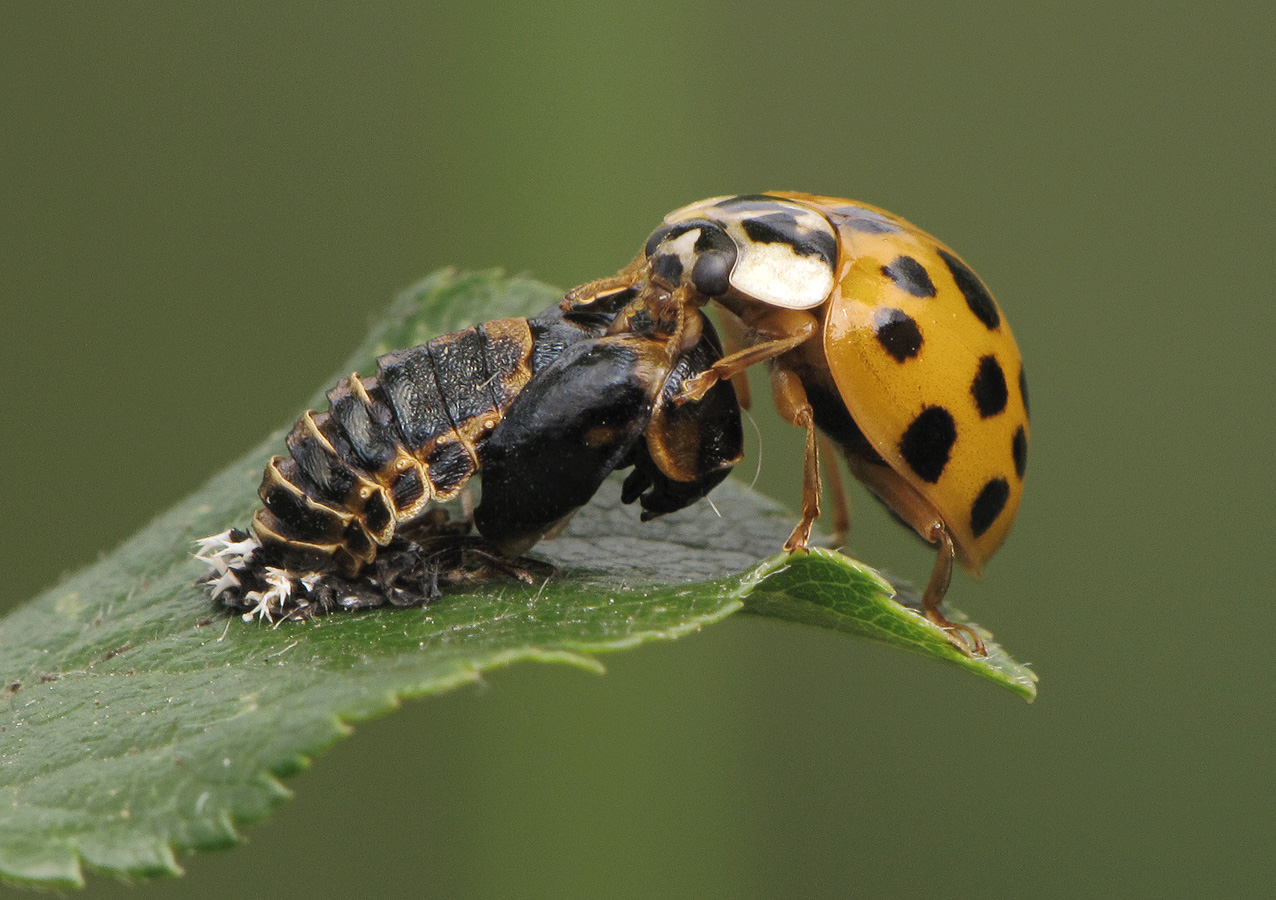
... and things further out again, like this.
AWT 2012_05_27 06 IMG_8252 PS1 CrExDf7x30CuSL10 900hSS135x0.3 by gardenersassistant, on Flickr
I don't remember, but I would guess I probably used the 500D or the 150 for the first one and the 150 or the 250 for the other two. But I am guessing. Apart from anything else I don't recall if any of them were cropped much. Probably not, but that's another guess.
Many people doing close-ups/macros aren't keen on this sort of image and like to get much closer in on their subjects, typically having the subject at least pretty much fill the frame, and very often showing just a part of the subject. Obviously, you need more magnification for that, which would probably make the 250 a better bet. Do bear in mind though that with that nice large (compared to what I use) sensor on the D5100, if you have a subject well focused, you will be able to crop the image, possibly quite a bit, to get closer in and see more details.
Incidentally, the first and last of these were captured with a bridge camera with a small sensor. The sensor in your D5100 is about 13 times larger in area, and so you can see that you may have significant opportunities for cropping.
Even if you are really, passionately fascinated by very small subjects or getting really, really close in, I would not at this stage even consider the Raynox MSN-202. Although it is very powerful, it is exceptionally difficult to use, and not (IMO) something for a beginner.