

You are using an out of date browser. It may not display this or other websites correctly.
You should upgrade or use an alternative browser.
You should upgrade or use an alternative browser.
photographing food
- Thread starter logic_187
- Start date

chuckles
Suspended / Banned
- Messages
- 4,470
- Name
- Barry
- Edit My Images
- Yes
Did eat any until you've finished shooting it!
Seriously - best advice I can offer is, careful with choice of colours/backgrounds. Bad choice can make some foods look pretty unappetising. Simple is best - Country Kitchen is cliched but does make food projects sell..... ok, I'm talking more of the cookery side, not processed foods!
Seriously - best advice I can offer is, careful with choice of colours/backgrounds. Bad choice can make some foods look pretty unappetising. Simple is best - Country Kitchen is cliched but does make food projects sell..... ok, I'm talking more of the cookery side, not processed foods!
Think lighting. Use soft light most of the time. If you have a couple of flashes and diffusers use them. Think carefully about what angle(s) you want the light to come from and what textures you want to show off. If you don't have flashes, use window light on an overcast day. White paper will make a perfectly good reflector if you need to illuminate other parts the window light won't get to.
And make sure everything's clean. Wipe down any cutlery & crockery very well. Use a small brush to shift dust & stray crumbs. Don't be afraid to clone out later.
Think about settings, props and backgrounds.
And make sure everything's clean. Wipe down any cutlery & crockery very well. Use a small brush to shift dust & stray crumbs. Don't be afraid to clone out later.
Think about settings, props and backgrounds.
If I am looking at recipes/cookbooks, then the ones which seem to stand out, nearly always use simple, elegant, white plates and dishes. The food is the star, so must not be overwhelmed by anything else in the image.
I once read, that food photographers use certain tricks, to make sure the food looks fresh and vivid, which may mean that it is not edible afterwards.
I once read, that food photographers use certain tricks, to make sure the food looks fresh and vivid, which may mean that it is not edible afterwards.
One trick I remember reading about was to use mashed potato instead of ice cream, so that it didn't melt under the lights.
A scoop (or should that be quinelle?) of Maris Piper, with a flake and drizzle of chocolate sauce. Even Heston wouldn't go that far would he?

chuckles
Suspended / Banned
- Messages
- 4,470
- Name
- Barry
- Edit My Images
- Yes
A scoop (or should that be quinelle?) of Maris Piper, with a flake and drizzle of chocolate sauce. Even Heston wouldn't go that far would he?
Don't be daft - he'd love it!

I was asked to shoot a cake portfolio. Its the only food shoot I've done. I used a big diffused reflector with the Bowens studio lights. I tried to keep it really simple but wanted to avoid the a-typical sterile white crockery. I don't know if these help but may be of use. Client was very happy.
http://www.andyreedphotography.co.uk/Gallery.aspx?Gallery=Sara White Cakes - 4th September 2010
Good tip about not eating as you go. VERY difficult to resist that one.
Cheers,
Andy.
http://www.andyreedphotography.co.uk/Gallery.aspx?Gallery=Sara White Cakes - 4th September 2010
Good tip about not eating as you go. VERY difficult to resist that one.
Cheers,
Andy.

most of the photography will be cakes but i'm a novice when it comes to shooting as i'm just starting out. I have been trying to experiment with depth of field whilst i can get the whole 'subject' in focus, i would like to from an angle get a certain bit in focus and the rest not in focus if you see what i mean . I tried spot focus/metering but just cant achieve the affect.
one thing i did notice i dont like the flash on the camera as it seems make the image non acurate and lose some of the natural lighting/shadow. so i have decided to buy a 50mm 1.4 prime lens to see if it will help.
but i'm a novice when it comes to shooting as i'm just starting out. I have been trying to experiment with depth of field whilst i can get the whole 'subject' in focus, i would like to from an angle get a certain bit in focus and the rest not in focus if you see what i mean . I tried spot focus/metering but just cant achieve the affect. one thing i did notice i dont like the flash on the camera as it seems make the image non acurate and lose some of the natural lighting/shadow. so i have decided to buy a 50mm 1.4 prime lens to see if it will help.
I was asked to shoot a cake portfolio. Its the only food shoot I've done. I used a big diffused reflector with the Bowens studio lights. I tried to keep it really simple but wanted to avoid the a-typical sterile white crockery. I don't know if these help but may be of use. Client was very happy.
http://www.andyreedphotography.co.uk/Gallery.aspx?Gallery=Sara White Cakes - 4th September 2010
Good tip about not eating as you go. VERY difficult to resist that one.
Cheers,
Andy.
Andy did you use a flash for any of these pictures?lighting, detail, colour look good. i have tried with the cameras inbuilt flash and dont like the end result...before you say it i know the inbuilt flash on cameras arent that great
thanks
One trick I remember reading about was to use mashed potato instead of ice cream, so that it didn't melt under the lights
I was at a place on work experience when they were doing ice cream shots. They'd set up and twiddle about using balls of icing sugar mixed with lard, then when ready completely they'd replace it with the ice cream and shoot before it could melt.
most of the photography will be cakes
one thing i did notice i dont like the flash on the camera as it seems make the image non acurate and lose some of the natural lighting/shadow. so i have decided to buy a 50mm 1.4 prime lens to see if it will help.
Steady on, I wouldn't go splashing cash yet! You can still get some fairly nice out of focussyness with your standard lens. Set your camera to aperture priority (A) and set its widest aperture (the lowest number you can get. If you're not sure how, or not sure what I'm talking about read your manual breifly and read this: http://www.cambridgeincolour.com/tutorials/depth-of-field.htm
The light and shadow you get is nothing to do with your lens, it's all in what light you use and what direction it comes from. You want to be thinking about 2 main things: The hardness or softness of your light, and its direction.
Hard light is like sunlight when its not blocked by clouds: you get very hard edged shadows and distinct highlights. for example here:
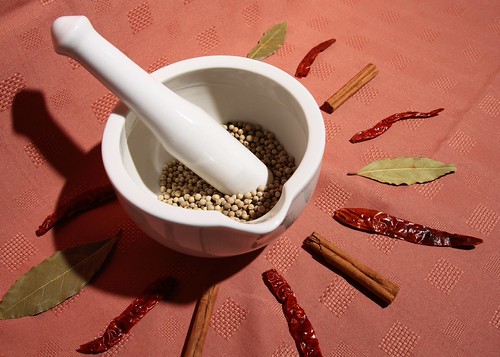
This is something I did a while ago before I really knew how to use my flash. The edges of the shadow are very harsh and distracting, and I don't much like the bright spots it's caused on the chillis either.
On this one however I used a soft light, which is like light on an overcast day. The sky is quite uniformly bright so there isn't really a dominant direction from which light is coming. This means shadows are pretty soft and less noticable. For example here where I bounced lights on to a reflective surface and through a sheet of tissue paper rather than straight on to the cake. The shadow of the fork is much nicer I think:

The direction of the light will determine what textures show and what won't. If your light comes from at or near where your lens is then it will light everything your lens can see, so no shadows really appear. Light from the back or from the side will really help show off textures and emphasize nice shadows. On the cake picture above I shot a flashgun through tissue paper off the left of the scene. Compare how that looks as opposed to the right hand side of the cake which is in shadow. I think it looks very flat.
I think you have 2 real options. The first is to shoot near a window and use the natural light to its best. Think about what bits you want to be illuminated how, and position the food and the camera accordingly. Don't forget a piece of white paper or two can be really helpful to bounce light off and lighten up shadows you don't like. The other way is to use a couple of desk lamps to light the scene and shine them through some baking parchment or thin tissue paper to soften the light up. You can stick the lamps wherever you like to get the best angles, highlights and shadows you can.
Good luck!

EdMoss
Suspended / Banned
- Messages
- 1,643
- Name
- Ed
- Edit My Images
- No
Keep it really simple, this image food photography was shot using 1 light, a reflector and a filter coffee filter.
Main thing you should go for is consistency between the images, if possible keep the lighting the same/similar between images.
Main thing you should go for is consistency between the images, if possible keep the lighting the same/similar between images.
Ditto as above. Well explained. No need to rush out for a new lens. Lighting is everything here.
The cakes I shot were lit using a studio flash fitted with a large diffuser. Off camera obviously. Personally I wouldnt bother with the built-in flash. Its going to look ugly however you look at it. As said above you either need to look at natural light or play around with some spotlights and some diffusing material such as tissue paper. I wouldnt mix the two though or colour temperatures wont match.
Despite having a lovely big diffused studio light youll be amazed how much you can add with reflectors. I used a couple of white foam boards from the art shop to fill shadow on most of mine.
Hope this helps.
Cheers,
Andy
The cakes I shot were lit using a studio flash fitted with a large diffuser. Off camera obviously. Personally I wouldnt bother with the built-in flash. Its going to look ugly however you look at it. As said above you either need to look at natural light or play around with some spotlights and some diffusing material such as tissue paper. I wouldnt mix the two though or colour temperatures wont match.
Despite having a lovely big diffused studio light youll be amazed how much you can add with reflectors. I used a couple of white foam boards from the art shop to fill shadow on most of mine.
Hope this helps.
Cheers,
Andy
@andy i like the second pic, with overcast lighting and thanks for the advise its much appreciated. i understand the basics of aperture priority etc so will give that a try
with regards to the lens too late i have just bought a second hand one on an impulse buy, so cant go back on the deal, but i've been told its a very good lens very sharp, so may not be a bad move.....but then again maybe the money may have been better placed with a flash instead! i'll have a play in the next couple of weeks with the lighting etc andreport back
with regards to the lens too late i have just bought a second hand one on an impulse buy, so cant go back on the deal, but i've been told its a very good lens very sharp, so may not be a bad move.....but then again maybe the money may have been better placed with a flash instead! i'll have a play in the next couple of weeks with the lighting etc andreport back