

myotis
Suspended / Banned
- Messages
- 4,503
- Name
- Graham
- Edit My Images
- No
I don't suppose many are too interested in this long post, but it's here for anyone who is.
When I was an ecological consultant, many years ago, I advised on ecological mitigation for many large scale projects.
While very pleased, as a result of EU membership, that the UK was finally taking the issue of ecological damage from development seriously, I was also concerned that "some" nature conservation organisations and ecological consultants were pushing for excessive, and pointless, survey work and mitigation. This, I believed, was not in the best interests of nature conservation, because it made the costs (monetary and time) prohibitive, with minimal benefits, and long term would only strengthen the position of those who were against all but token levels of mitigation for ecological damage.
I was amazed to read about the 100 million pound bat tunnel being proposed as part of the HS2 ecological mitigation, which sounded ridiculous to me, and way beyond the sort of mitigation I would have expected. I was especially concerned about how this level of excess would affect, bat and other ecological mitigation long term, especially given the not unreasonable public and political outcry.
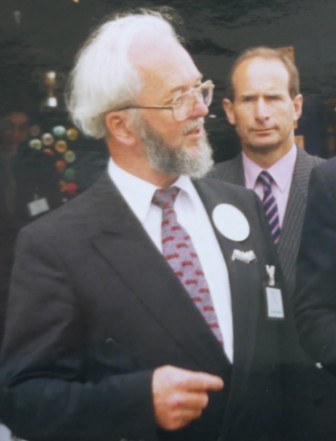
Until today, when reading an interview with Bob Stebbing ( the person who almost single handedly pushed to get bats legally protected back in the 1980s, who I have worked with often in the past) I hadn't put much more thought into the story. However, this is what Bob Stebbings said about it:
"Bob highlights the way in which ill-conceived mitigation projects have been used to paint existing bat legislation as a blocker to development. “There has been much erroneous commentary in relation to the greatly publicised HS2 ‘bat tunnel’, costing £100 million. That was never recommended by bat advisors, but was decided by HS2 planners. Yes, there are rare bats living in that area and bats are killed by vehicles of all kinds, including trains, but there are various ways of carrying out mitigation which could be used at a fraction of the cost.
“Clear excesses in required work have not helped wildlife protection and have made companies and now government think that wildlife gets in the way of development.” "
 www.britishwildlife.com
So I looked up what English Nature (The government's advisory body on nature conservation in England) had to say:
"Natural England has not required HS2 Ltd to build the reported structure, or any other structure, nor advised on the design or costs. The need for the structure was identified by HS2 Ltd more than 10 years ago, following extensive surveying of bat populations by its own ecologists in the vicinity of Sheephouse Wood."
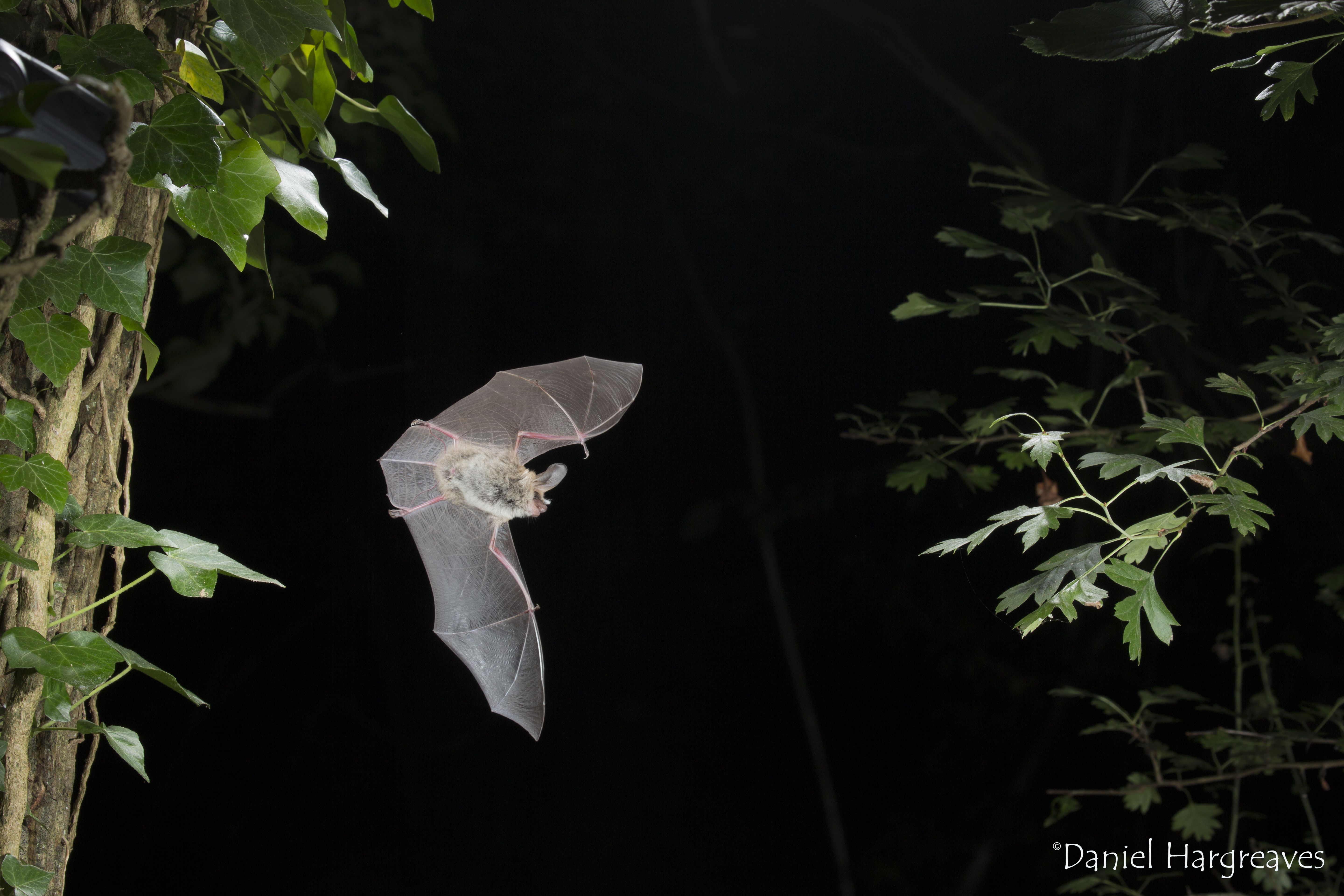
 naturalengland.blog.gov.uk
And what about the Bat Conservation Trust. who play an influential role in the bat conservation world, including professional bat ecologists and consultants:
"HS2's so-called bat tunnel has become a political scapegoat, used to justify rolling back environmental protections. But the real story is very different. The tunnel was not forced by conservationists or wildlife laws - it was a consequence of poor decisions made by HS2 Ltd and approved by parliament. Now, politicians are misrepresenting this history to push the Planning and Infrastructure Bill (PIB), a law that won’t fix planning delays but will put nature at greater risk."
AND
"Government rhetoric suggests that conservationists forced the bat tunnel to be built - but that’s simply not true. And we think their rhetoric is working, as BCT is flooded with questions about our supposed involvement. But we had nothing to do with it!"

 www.bats.org.uk
I can't find any consultancy reports to see what bat advice was actually given to HS2, nor looked a what the local planning authority said, but for a slightly different perspective,here is an article from the New Civil Engineer about it (one of the non-ecological magazines you subscribe to if you work as an ecological consultant).
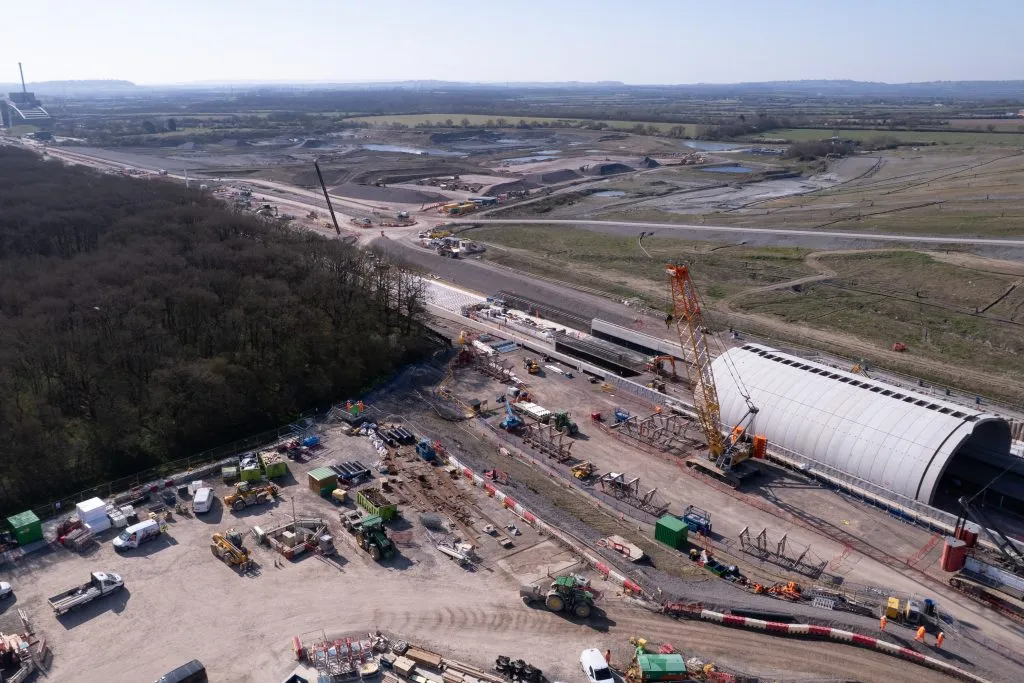
 www.newcivilengineer.com
When I was an ecological consultant, many years ago, I advised on ecological mitigation for many large scale projects.
While very pleased, as a result of EU membership, that the UK was finally taking the issue of ecological damage from development seriously, I was also concerned that "some" nature conservation organisations and ecological consultants were pushing for excessive, and pointless, survey work and mitigation. This, I believed, was not in the best interests of nature conservation, because it made the costs (monetary and time) prohibitive, with minimal benefits, and long term would only strengthen the position of those who were against all but token levels of mitigation for ecological damage.
I was amazed to read about the 100 million pound bat tunnel being proposed as part of the HS2 ecological mitigation, which sounded ridiculous to me, and way beyond the sort of mitigation I would have expected. I was especially concerned about how this level of excess would affect, bat and other ecological mitigation long term, especially given the not unreasonable public and political outcry.
Until today, when reading an interview with Bob Stebbing ( the person who almost single handedly pushed to get bats legally protected back in the 1980s, who I have worked with often in the past) I hadn't put much more thought into the story. However, this is what Bob Stebbings said about it:
"Bob highlights the way in which ill-conceived mitigation projects have been used to paint existing bat legislation as a blocker to development. “There has been much erroneous commentary in relation to the greatly publicised HS2 ‘bat tunnel’, costing £100 million. That was never recommended by bat advisors, but was decided by HS2 planners. Yes, there are rare bats living in that area and bats are killed by vehicles of all kinds, including trains, but there are various ways of carrying out mitigation which could be used at a fraction of the cost.
“Clear excesses in required work have not helped wildlife protection and have made companies and now government think that wildlife gets in the way of development.” "
Fifty years of bat protection in Britain: in conversation with Bob Stebbings - British Wildlife
Fifty years of bat protection in Britain: in conversation with Bob Stebbings This year marks half a century since bats were first given legal protection in Britain. The forthcoming June issue of British Wildlife features a personal reflection from Bob Stebbings, one of the founding figures in...
www.britishwildlife.com
So I looked up what English Nature (The government's advisory body on nature conservation in England) had to say:
"Natural England has not required HS2 Ltd to build the reported structure, or any other structure, nor advised on the design or costs. The need for the structure was identified by HS2 Ltd more than 10 years ago, following extensive surveying of bat populations by its own ecologists in the vicinity of Sheephouse Wood."
Natural England's role in High Speed 2
There has been inaccurate coverage about Natural England’s involvement in the development of HS2's bat tunnel. Natural England has not required HS2 Ltd to build the reported structure, or any other structure, nor advised on the design or costs. The …
naturalengland.blog.gov.uk
And what about the Bat Conservation Trust. who play an influential role in the bat conservation world, including professional bat ecologists and consultants:
"HS2's so-called bat tunnel has become a political scapegoat, used to justify rolling back environmental protections. But the real story is very different. The tunnel was not forced by conservationists or wildlife laws - it was a consequence of poor decisions made by HS2 Ltd and approved by parliament. Now, politicians are misrepresenting this history to push the Planning and Infrastructure Bill (PIB), a law that won’t fix planning delays but will put nature at greater risk."
AND
"Government rhetoric suggests that conservationists forced the bat tunnel to be built - but that’s simply not true. And we think their rhetoric is working, as BCT is flooded with questions about our supposed involvement. But we had nothing to do with it!"
Throwing bats under the train: HS2’s bat tunnel and the dangerous spin behind deregulation - News - Bat Conservation Trust
HS2's so-called bat tunnel has become a political scapegoat, used to justify rolling back environmental protections. But the real story is very different. This page breaks down what the bat tunnel is, who approved it, and why weakening protections won’t solve the UK’s planning challenges.
www.bats.org.uk
I can't find any consultancy reports to see what bat advice was actually given to HS2, nor looked a what the local planning authority said, but for a slightly different perspective,here is an article from the New Civil Engineer about it (one of the non-ecological magazines you subscribe to if you work as an ecological consultant).
Exclusive: HS2 considered over 20 bat protection measures before opting for £119M ‘bat shed’ | New Civil Engineer
NCE can also share the first images from the construction of the structure. What is the ‘bat shed’ and why is it needed? The 1km long Sheephouse Wood Bat
www.newcivilengineer.com


