Hellllllp! Processing style

Other than that it looks like there's quite a strong black point and a slight desaturation on some images, but, yes, the light is where it's at. :)
 

There is no style preset to achieve this!
It is a combination of narrow reflector with short falloff and the rest is PP work:
low mid-tones, selective saturation not much more.
 
This is a real bodge, just playing with the style. Especially ignore the eyes, I know they are messed up! (as is the rest of it, lol)

21006513214_cb37f1c387_z.jpg
 
@

There is no style preset to achieve this!
It is a combination of narrow reflector with short falloff and the rest is PP work:
low mid-tones, selective saturation not much more.

Who said anything about a style preset?

Ok guys, let's see your examples! :)

Oh, and I know this is shot all wrong for Rouvre style, too. It started off as a high contrast bw.

The idea is we help each other, right?
 
Last edited:
Jenny,there should be a rerun of this guys lesson,i found him very interesting even though i couldn't understand most of it lol but you will.
https://www.creativelive.com/live2

Vincent Versace talking Black and white photography right now,very interesting

it was on live last night but they often repeat when they are off air
 
Most of his portraits seem to be lit very much the same way, with A frontal light placed rather high and more or less down the line of the nose.
A second fill some what below the lens can be seen reflected in many of his eyes. possibly a small diffused flash or reflector.

Exposure is set so that there is minimal black/ shadow detail. but in a majority of shots the range and contrast of highlight to mid tone is emphasised.

An additional side light is only sometimes used where there is space for it outside the frame.
PP seems to be limited to little more than a curve adjustment to place the tones.

Much of the effect is down to the "stare" and the central pose used repeatedly in a majority of the shots.

I find the limited variety both fascinating and overpowering, but not very appealing.
 
Most of his portraits seem to be lit very much the same way, with A frontal light placed rather high and more or less down the line of the nose.
A second fill some what below the lens can be seen reflected in many of his eyes. possibly a small diffused flash or reflector.

Exposure is set so that there is minimal black/ shadow detail. but in a majority of shots the range and contrast of highlight to mid tone is emphasised.

An additional side light is only sometimes used where there is space for it outside the frame.
PP seems to be limited to little more than a curve adjustment to place the tones.

Much of the effect is down to the "stare" and the central pose used repeatedly in a majority of the shots.

I find the limited variety both fascinating and overpowering, but not very appealing.

Thanks Terry. I worked on the PP yesterday evening. I think it's quite similar to the Dragan style and I think if I work on this as a base it should be ok. Going to have a further play tomorrow.
 
Thanks Terry. I worked on the PP yesterday evening. I think it's quite similar to the Dragan style and I think if I work on this as a base it should be ok. Going to have a further play tomorrow.

Remember the style comes at the taking lighting and posing stage. The pp is a very minor contributer.
 
So you think little retouch was done with film? Seriously?

The skin in those shots is heavily smoothed, for starters.
 
Thanks for that, hadn't seen his work but really like it.

There's definitely high level retouching but you'd probably be surprised how close it is sooc. Most of it looks to favour a clamshell style lighting with main light up high and reflector or light on same axis as key to fill from below, When the lights more directional sometimes a second fill light from below on the oposite side. The key seems to be quite soft there's a few with glasses where you can clearly see an octa reflected. Quite a few also seem to be quite shallow dof. Most of what makes the images great is his interaction with the subjects though.

For processing I'd start with channel mixer in mono on soft light to desat and build contrast then selective colour and curves to tone. and then fine dodging and burning to even transitions and global dodging and burning to build dimension.

If you've got a raw in that feel you'd like to style that way I'd be happy to take a shot at it.
 
Last edited:
So you think little retouch was done with film? Seriously?

The skin in those shots is heavily smoothed, for starters.

We used to smooth skin with lighting, it is quicker and easier.
But he has bags of texture in most of his shots.
I was trained in pencil retouching and knifing and the use of Cochineal to lighten shadows of negatives and the Airbrushing and retouching techniques on prints for reproduction...
I could also sharpen using an unsharp film mask, It was all part of the stock in trade of Photographers up to about the late 50's in this country, and some what longer by portraitists in Spain, where I worked for three years.

I have probably forgotten more about retouching film and prints, than most of today's photographers have even known existed, and can recognise it at a glance.

I have never used skin smoothing software in my life nor do I own any.
 
Denis Rouvre give very little away about his working methods but I found this quote.

When making a portrait, what happens during the session with the model?

Before photographing, I dock light, the scenery and then I move.I then move the model inside the decor. At first, I racked my brains for ideas staged in connection with the character.Gradually, I removed this stuff.Now once the light and decor are fixed, I do not even trying to think of the photo.There is a bit of a side of immediacy, a kind of fleeting encounter with the model.This happens as a contest: I go a little inside, I hustles, he reacts to it ... It is a work of seduction to the model.It takes two to make the shot, but if the model is not to play the game, it will stop very quickly.This will be the image that the person wants to give of herself but he missed something in the photo ... that I could bring.

 
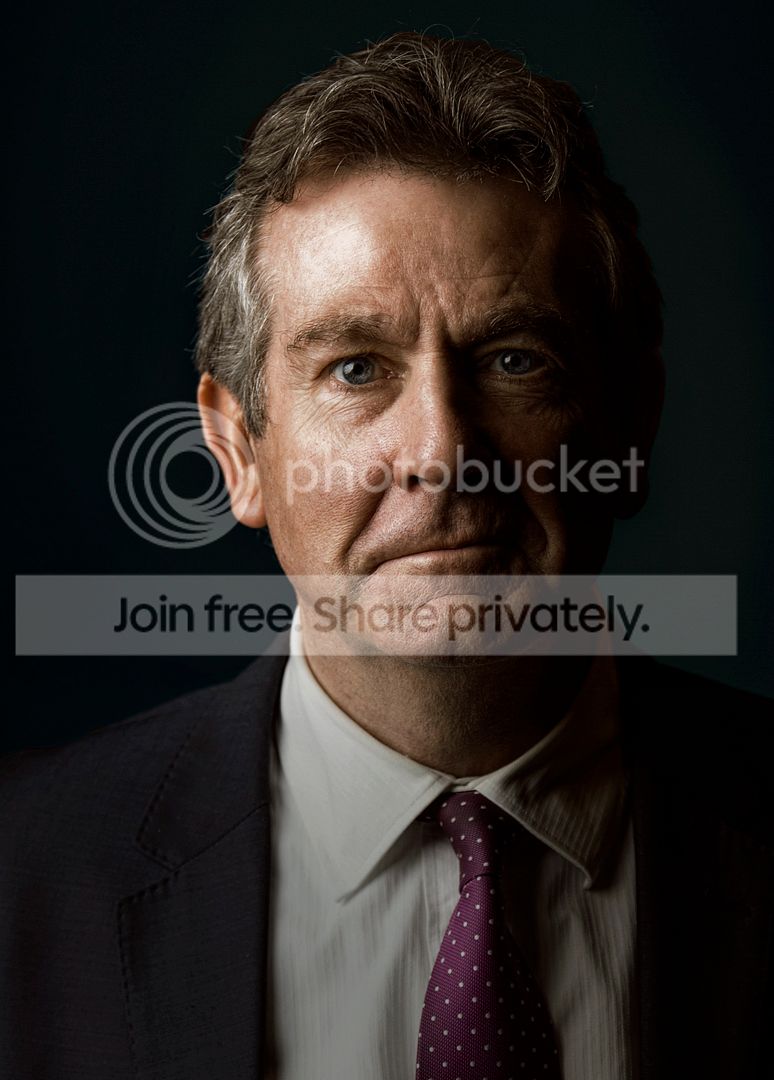
OK, I really like his stuff so figured I'd have a play at work as it's fairly quiet and it's more fun than the alternative. Inspired by his Dustin Hoffman portrait, I thought I'd have a play with an old shot from a lighting test. It's a relatively quick and rough edit on a rubbish monitor using an image which wasn't intended for this and where the lighting isn't really very similar at all so milage may vary but here it is anyway.

DSC_0227.jpg


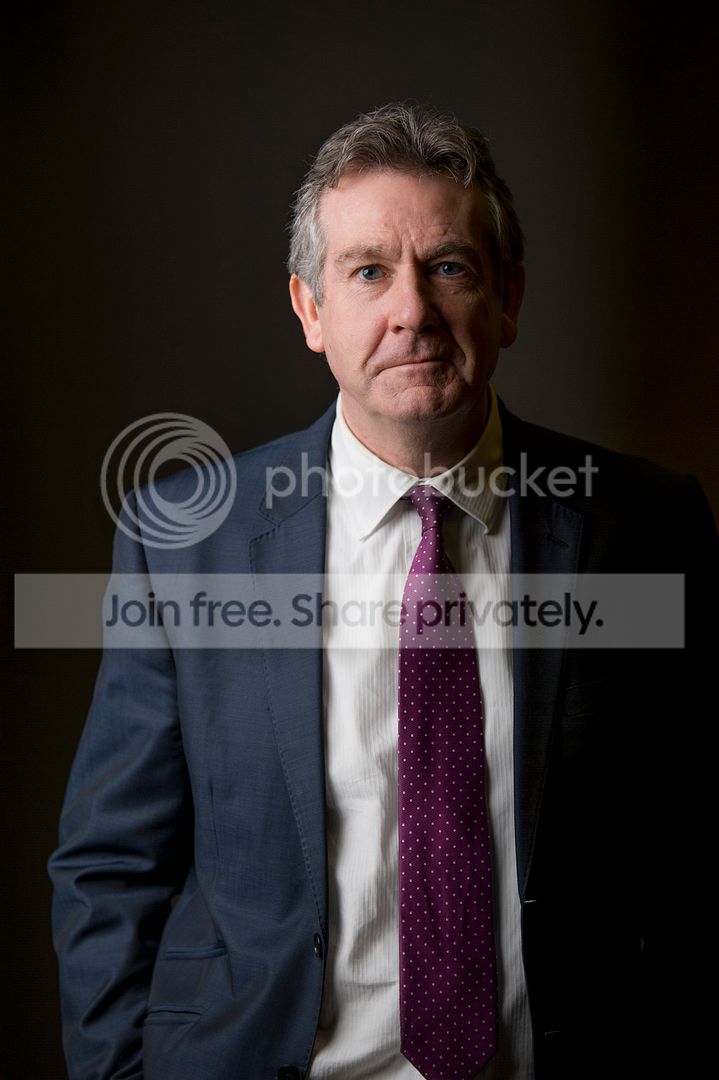
here's the sooc for reference
DSC_0227-sooc.jpg
 
OK, I really like his stuff so figured I'd have a play at work as it's fairly quiet and it's more fun than the alternative. Inspired by his Dustin Hoffman portrait, I thought I'd have a play with an old shot from a lighting test. It's a relatively quick and rough edit on a rubbish monitor using an image which wasn't intended for this and where the lighting isn't really very similar at all so milage may vary but here it is anyway.

Nice work, Craig, and thanks for going to so much trouble. I'd really like to know what you did in PP, please.
 
Denis Rouvre give very little away about his working methods but I found this quote.

When making a portrait, what happens during the session with the model?

Before photographing, I dock light, the scenery and then I move.I then move the model inside the decor. At first, I racked my brains for ideas staged in connection with the character.Gradually, I removed this stuff.Now once the light and decor are fixed, I do not even trying to think of the photo.There is a bit of a side of immediacy, a kind of fleeting encounter with the model.This happens as a contest: I go a little inside, I hustles, he reacts to it ... It is a work of seduction to the model.It takes two to make the shot, but if the model is not to play the game, it will stop very quickly.This will be the image that the person wants to give of herself but he missed something in the photo ... that I could bring.

Very interesting quote, Terry. I feel a lot of synergy with this process and I'm sure that why I am liking Denis's work so much. Thank you for taking the time to research this quote and I definitely plan to read through Denis's website some more. What I especially like is that we're having a discussion on capturing the subject that goes beyond the purely technical aspects of the photographs. During my portraiture sessions, even before, I put a lot of work into really knowing my subject and I often get complimented on this by my clients.
 
I've sent a link to the psd let me know if it's any help.

Hi Craig, you are awesome! Thank you so very much! Dashing off to see a client but will have a full read of your brilliantly detailed message to me on return!
 
So you think little retouch was done with film? Seriously?

The skin in those shots is heavily smoothed, for starters.

Whether there's any retouching or not is not the point.. the STYLE is from the lighting. Great photography needs great lighting. The computer is NOT the answer. I'm trying to save you some pain here. Get your lighting sorted and forget all that post processing b******s.
 
Great photography needs great lighting, but these days the computer is *always* part of the answer - very heavily so in many, many cases.

You can't out a shine on a turd, but even with the world's best lighting these days to be "up there" you've got to have (Or pay someone who does) considerable Photoshop chops.
 
Great photography needs great lighting, but these days the computer is *always* part of the answer - very heavily so in many, many cases.

You can't out a shine on a turd, but even with the world's best lighting these days to be "up there" you've got to have (Or pay someone who does) considerable Photoshop chops.
David isn't saying that pp isn't part of the process.
 
David isn't saying that pp isn't part of the process.

No I'm not. I use photoshop all the time. However, there are quite a lot of photographers who are up there already while using no photoshop whatsoever. Depends what and how you shoot.
 
Last edited:
Many factors make up a finished photograph
however style does not come out of a bottle...
It come from the concept of imagination and vision, and is made concrete by the setting, lighting and content.

The processes of Photography, be they chemical or digital, capture what has been lit and arranged but can only modify what is already there. Anything added is one step away from the original.
It may still be an imaginative work of art, but it become less an original photograph. and has nothing to do with a photographers style.
 
Many factors make up a finished photograph
however style does not come out of a bottle...
It come from the concept of imagination and vision, and is made concrete by the setting, lighting and content..

This.... with knobs on!
 
Back
Top