Getting it right in camera

superpippo

Suspended / Banned
Messages
4,911
Name
Alan
Edit My Images
Yes
I read a lot about 'getting it right in camera' and whilst I enjoy the pp process, I would like to ensure that I do not spend a disproportionate time at the computer.
However many of my shots leave a lot to be desired when sooc.
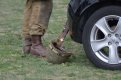
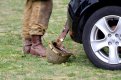
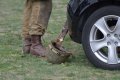
Couple of examples attached taken last weekend, with which I am severely underwhelmed
All jpegs and shot in aperture priority.
Taken with a decent camera and lens - really the shots are pretty poor.
PP carried out - exposure, blacks and white adjusted - some warming and a spot of saturation.
What am I doing wrong?
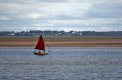
upload_2018-8-20_22-11-31.jpeg

upload_2018-8-20_22-11-57.jpeg

upload_2018-8-20_22-12-48.jpeg

upload_2018-8-20_22-14-57.jpeg
 

Attachments

  • upload_2018-8-20_22-8-27.jpeg
    upload_2018-8-20_22-8-27.jpeg
    372.7 KB · Views: 14
I don't know which camera you're using, but what in camera settings do you have set for jpegs.
For example, in my Canon I have standard, portrait, landscape, neutral etc. Each has a different effect on the jpeg the camera produces.
 
Last edited:
first examples look like you have over done the sharpening, dehaze tool, and clarity tool for me.

I could be completely wrong but thats what the first impression I got from looking at the images was.

try doing the same adjustments as you have above, but half the amounts of each process. see how that looks?

on a grey day, you will always get a grey image, if you overcook the pp, you will just get a grey day with wild colours, and that never looks good.
 
the second image with the soldier and the boots isnt too bad at all, but, and this is a major part of it, you aren't trying to make the sky something that it isnt.

does my explanation make sense?
 
Hi, just wondering why you don’t shoot in raw ?
 
first examples look like you have over done the sharpening, dehaze tool, and clarity tool for me.

I could be completely wrong but thats what the first impression I got from looking at the images was.

try doing the same adjustments as you have above, but half the amounts of each process. see how that looks?

on a grey day, you will always get a grey image, if you overcook the pp, you will just get a grey day with wild colours, and that never looks good.

Thanks. I accept that the pp may be overcooked but the real issue for me is that the source photos areso poor that it requires such work.

the second image with the soldier and the boots isnt too bad at all, but, and this is a major part of it, you aren't trying to make the sky something that it isnt.

does my explanation make sense?

Yes , I think that I understand, but still a flat sooc image
Thank you
 
Last edited:
Hi, just wondering why you don’t shoot in raw ?

Thank you
I am not sure that shooting in RAW would overcome the problem that I think that I have - which is a poor sooc image. Processing in RAW would still be considerable to get anything acceptable on these two shots.
I don't think that exposure of the image captured has anything to do with shooting in RAW, just that I could recover/improve more than I can from a jpeg
 
Camera has a default setting of 'Neutral' I have not altered it

As said previously - change the setting from Nuetral which will do very little - maybe just a touch of sharpening. If you have a vivid setting try that; you may not like it but it will show you an extreme!
 
I would maybe have a play around with the different jpeg settings/effects, make a custom one and adjust it until you have something you like. One of the main benefits of shooting jpeg is that you (should have) a usable photo with minimal, if any further adjustments needed.
What pp software are you using?
 
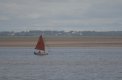
In the first picture, the sky is cloudy. In the second picture the shadows are very diffuse. Both suggest a dull day. You cannot alter that in post processing. If you do not want flat pictures, wait for a sunny day. If you want to take pictures on a dull day, choose your subject so that the flat light suits the subject.
 
Are you using auto white balance...? Cloud setting would warm these up a bit....? Along with the suggestions already made....you could custom make your own picture style.....or shoot in raw which allows you to change quite a lot in Pp and experiment....[emoji106]
 
Thanks.I accept that the pp may be overcooked but the real issue for me is that the source photos is so poor that it requires such work.


Yes , I think that I understand, but still a flat sooc image
Thank you

Try changing the settings as shooting in jpeg your asking the camera to PP for you, you need to tell it how you want it to look, standard/neutral with give you that flat type of thing, try using vivid or something like that, what options do you have in the photo/picture settings ??
 
Try changing the settings as shooting in jpeg your asking the camera to PP for you, you need to tell it how you want it to look, standard/neutral with give you that flat type of thing, try using vivid or something like that, what options do you have in the photo/picture settings ??
The light will still be flat and he cannot alter that. Modelling in an image relies on small highlights and shadows which just are not there.
 
I’ll say it asno one else has...
Photography is the art and science of capturing light.

You’re shooting on a dull overcast day, to create contrast in your images requires you to process it in, whether that’s in camera for jpeg, or sat at the computer. If you want contrast images, the obvious answer is shooting in contrasts light.

You did ‘get it right in camera’, but ‘right’ isn’t what you think the shot is lacking.
 
Last edited:
You could theoretically adjust your in-camera jpeg settings to get better results, more in the direction of your post processing, but the problem is that each image will require different settings, and unless you have a WYSIWYG live view which can show the effects of settings before taking the shot, you'll have to do quite a bit of setting and chimping to get good settings for each shot. And the results of spending a few minutes more on getting it right in the camera might not be quite as good as what you could get from one of those helpful editors with a "fix my photo" button, and definitely not as good as you'd be able to get with 20 seconds of post processing once you'd become good at it.

Personally I find it much easier to shoot not to "get it right in the camera", but to get it in the camera with the maximum post processing latitude. I shoot RAW + JPEG with the JPEG adjusted for lowest contrast and low saturation so SOOC they look pretty dim and flat. On the other hand however those JPEGS have the maximum processing latitude for JPEG adjustment, which reduces the frequency with which I feel the need to go back to the RAW for maximum processing latitude.
 
Even the old masters like Adams had to post process, they just did it in a dark room, we use Light room today. The trick is not to over cook, personally I like to try match the scene as I saw it at the time. My eyes are better at taking in light than any sensor, I know it wasn't 'that' dull when i was there, so I bump exposure, add a little contrast because I also don't remember it being that flat etc .. ok, we push it a little for a bit of artistry, how we would have liked the scene to look when we were there does kick in. So we add a little extra vibrance and sharpness. But generally, I don't really go mad on the sliders. For me "get it right in camera" has more to do with composition.
 
You could theoretically adjust your in-camera jpeg settings to get better results, more in the direction of your post processing, but the problem is that each image will require different settings, and unless you have a WYSIWYG live view which can show the effects of settings before taking the shot, you'll have to do quite a bit of setting and chimping to get good settings for each shot. And the results of spending a few minutes more on getting it right in the camera might not be quite as good as what you could get from one of those helpful editors with a "fix my photo" button, and definitely not as good as you'd be able to get with 20 seconds of post processing once you'd become good at it.

Personally I find it much easier to shoot not to "get it right in the camera", but to get it in the camera with the maximum post processing latitude. I shoot RAW + JPEG with the JPEG adjusted for lowest contrast and low saturation so SOOC they look pretty dim and flat. On the other hand however those JPEGS have the maximum processing latitude for JPEG adjustment, which reduces the frequency with which I feel the need to go back to the RAW for maximum processing latitude.

Hi Chris,

this is interesting!

Generally I have the jPEG settings that I like 'programmed' into the Camera to save most of the post processing (which I dislike), only when the jPEG doesn't come out well do I use the RAW image also saved to PP. With your method it appears to be a 'waste of time' shooting the jpeg as well as the RAW as you still are expecting to PP the jPEG image?

(not a criticism just a completely different outlook as to why I shoot RAW + jPEG)
 
Last edited:
I go back and think to film days and what i did in the dark room. We can and do the same with Lightroom and photoshop only we use a computer. You can only get so much right in camera.
 
Thank you
I am not sure that shooting in RAW would overcome the problem that I think that I have - which is a poor sooc image. Processing in RAW would still be considerable to get anything acceptable on these two shots.
I don't think that exposure of the image captured has anything to do with shooting in RAW, just that I could recover/improve more than I can from a jpeg

You are absoloutly right...

I think Phil V has hit the nail on the head.. if you could go back to the scene you shot in exactly the same conditions and hold up both your pics.. the unedited and the editied.. which one do you think would look most like the actual scene ? :)
 
Seriously? His problem would be a lot worse in RAW..

It wasn’t a solution just a question, I was wondering why ?
 
Hi Chris,

this is interesting!

Generally I have the jPEG settings that I like 'programmed' into the Camera to save most of the post processing (which I dislike), only when the jPEG doesn't come out well do I use the RAW image also saved to PP. With your method it appears to be a 'waste of time' shooting the jpeg as well as the RAW as you still are expecting to PP the jPEG image?

(not a criticism just a completely different outlook as to why I shoot RAW + jPEG)
It takes me only a few seconds looking at the unprocessed JPEG in the computer to decide if the image is worth bothering with. Since less than 10% of my images are worth keeping speed of initial review is important. All the RAW editors I've tried would more than double that time. A quick improvement of the JPEG takes 10-20 seconds, which is all that most of my quick snaps require. If the image looks worth printing at A3, or was something very interesting snatched with the wrong settings or an unpleasantly high ISO, then I'll go to the RAW image to get the best from it. That never takes less than a few minutes, and can take a lot longer.

If I go out on a planned photo shooting expedition intending to do my best with lenses chosen for the purpose, maybe a tripod, etc., I used to find ten years ago that I usually spent as much time finding and processing the best images from that shoot as I did taking them. Back then I was doing little more than duplicating what I used to be able to do in the darkroom with an enlarger. Now it's more like three times as long post processing the images as taking them. That's because I've got better at post processing. I can usually revisit my best images from ten years ago and noticeably improve them using the better skills and software I now have.

When I shot film with an SLR I tried my best to get it right in the camera, because it took so long to do anything in the darkroom. I can now do in ten minutes in a computer what it would have taken me hours to do in a darkroom, plus I can do all sorts of things quite beyond darkroom technology. I remember one interior murals contract in film days where it took me days of experiment and discussion with local experts to find the right colour filters to correct the colour shift of my long exposures plus the colour cast of a hundred years of exposure to dirty urban air and tobacco smoke. That was getting it right in the camera. Doing that today requires no filters and no more than a minute in post processing.
 
Seriously? His problem would be a lot worse in RAW..
Well the problem would be more or less identical, however raw v. JPEG isn't the issue here.

Getting it right in camera is as much to do with the conditions as it is the in camera processing, if the light is flat and dull then no amount of in camera fiddling is going to change that. The adjustments made by the processor within the camera are quite crude and limited, so in dull conditions you could up the contrast and saturation, not forgetting to set your white balance correctly, but those adjustments are limited in the amount and the fineness that they can be applied.

At the end of the day some PP is probably going to be needed, simply because the ideals rarely come together.
 
What am I doing wrong?

You're processing to try to create lighting conditions which just weren't there at the time of shooting. Embrace what you've got or go looking for different light.

The latter can require a lot of time and effort. You shouldn't expect to just wander out with a camera and produce stunning images without a lot of luck, a lot of planning or both.
 
It wasn’t a solution just a question, I was wondering why ?

To be fair the subject is about getting it right in camera so shooting RAW is pretty much the opposite of what the OP is trying to achieve as RAW is to be able to do more processing when the OP is so obviously trying for less.. hence my surprise at your question .... Never shoot in raw myself.. lots dont :)
 
Well the problem would be more or less identical,

eeerm no.. a RAW file has zero processing done in camera.. a jpg has some at least even at default ..so yes the raw file would be worse..
 
This isn't really about jpg vs RAW, or jpg processing or whatever, its you trying to rescue a poorly shot image.

You've shot an image in poor lighting conditions, not got the light right, underexposed the image and probably got the white balance wrong as well.

Its not a good shot, you should have made adjustments and shot again. The AV meter is almost certainly fooled by such a huge expanse of sky and has made the image darker as a result.

Waiting for better light would have been a good idea. Moving to a different angle so more light falls on the sail would have been good to.

However if I was standing where you were and had to shoot at that time of day with those conditions, I'd have metered off the boat, dialled in the settings in manual and then dealt with the sky and keeping it in check to pull in within DR with a grad. I'd have manually set the white balance too.

Even if I'm shooting RAW, which I do 99% of the time, you still want to get it right in the first place, and that means using the correct techniques in the first place.
 
To be fair the subject is about getting it right in camera so shooting RAW is pretty much the opposite of what the OP is trying to achieve as RAW is to be able to do more processing when the OP is so obviously trying for less.. hence my surprise at your question .... Never shoot in raw myself.. lots dont :)

Ah fair enough, i thought most shoot in RAW, i don't use Jpeg, well i say don't, i didn't see the need to have raw+jpeg filling everything up and thought just go raw maybe thats where i need to improve or understand
 
Ah fair enough, i thought most shoot in RAW, i don't use Jpeg, well i say don't, i didn't see the need to have raw+jpeg filling everything up and thought just go raw maybe thats where i need to improve or understand

I dont understand why people shoot in raw at all... but each to there own.. it depends what you want to achieve.. if your into a lot of post processing then raw is the way to go.. its like all things photogrpahic.... its whatever suits you and you alone.. raw suits you and jpg suits me for example.. neither of us is better or worse than the other :)
 
Ah fair enough, i thought most shoot in RAW, i don't use Jpeg, well i say don't, i didn't see the need to have raw+jpeg filling everything up and thought just go raw maybe thats where i need to improve or understand

I can think of only 2 reasons for shooting jpeg
  1. DIsk/card space is an issue
  2. You need a fast turnaround of images.
Why would you throw away information and detail otherwise?

It's plain wrong to say that raw files look flat without any processing. Assuming you're using lightroom, if the camera profile in your default import settings matches that used in camera then the initial rendering of the raw file will look an awful lot like the the SOOC jpeg.
 
This isn't really about jpg vs RAW, or jpg processing or whatever, its you trying to rescue a poorly shot image.


Well not really.. he asked how to improve his photogrpahy so he doesnt have to rescue so much.. its not about how to rescue images at all.. its about how to take a better picture .... which in this situation we all (inc yourself) believe he couldnt anyway :)
 
I can think of only 2 reasons for shooting jpeg
  1. DIsk/card space is an issue
  2. You need a fast turnaround of images.
.


oh good grief :(

I can think of only 2 reasons for shooting RAW

1. Your not confident enough in your photogrpahy so you shoot RAW to rescue your bad work
2. tyou want to do a lot of arrty farty processing..


yes but why is my answer any more rediculous than yours ?: )
 
Last edited:
Ah fair enough, i thought most shoot in RAW, i don't use Jpeg, well i say don't, i didn't see the need to have raw+jpeg filling everything up and thought just go raw maybe thats where i need to improve or understand
I can understand why most of us shot RAW, but the likes of @KIPAX who shoot sports and events and need to get their photos off to agencies and papers quickly haven't got time to faf about with pp-ing RAW files and lets be honest here, they get get it right in Camera, I would guess, pretty much all of the time. Me being a mere mortal, doesn't get it right as often :D:)
 
oh good grief :(

I can think of only 2 reasons for shooting RAW

1. Your not confident enough in your photogrpahy so you shoot RAW to rescue your bad work
2. tyou want to do a lot of arrty farty processing..


yes but why is my answer any more rediculous than yours ?: )

'cos with your approach you can't go back and rescue or process stuff that just isn't there.
 
'cos with your approach you can't go back and rescue or process stuff that just isn't there.


Does everyone who shoots in raw spend so much time and effort post processing.. really ? Nowerdays theres not a lot you can do in raw that you cant do in jpg with a well exposed picture... I mean 90% of people want a well presented picture... not everyone is entering competitions... guessing most photos in this day and age end up on social media anyway.... yes some will want to use raw but not needed most of the time IMHO :)
 
oh good grief :(

I can think of only 2 reasons for shooting RAW

1. You're not confident enough in your photography so you shoot RAW to rescue your bad work

yep that's me in a nutshell, someone told me understanding your weakness is the fastest way to improve (in my head that means find a workaround to compensate for your poor ability = RAW ;):)

RAW = rescue amateur work :exit:
 
Last edited:
Does everyone who shoots in raw spend so much time and effort post processing.. really ? Nowerdays theres not a lot you can do in raw that you cant do in jpg with a well exposed picture... I mean 90% of people want a well presented picture... not everyone is entering competitions... guessing most photos in this day and age end up on social media anyway.... yes some will want to use raw but not needed most of the time IMHO :)

Yes, not needed most of the time. But.. most of the time most folk won't know whether they're going to need raw or not and there's really very little downside to shooting raw.

Your usage is a bit different - you know exactly who the target audience for your stuff is at the time of shooting.
 
Well not really.. he asked how to improve his photogrpahy so he doesnt have to rescue so much.. its not about how to rescue images at all.. its about how to take a better picture .... which in this situation we all (inc yourself) believe he couldnt anyway :)

I did give constructive advice about how to take a better image. In event photography you don't have the luxury of going back another day, or sometimes where you can stand. You make the best of what is there -

'I'd have metered off the boat, dialled in the settings in manual and then dealt with the sky and keeping it in check to pull in within DR with a grad. I'd have manually set the white balance too'

...and keep changing the settings constantly as needed, as the light changes, as I zoom in and out and as I change lenses.
 
Back
Top