Beginner Using film obtained with a meter roll on a Canon EF

Rosssiiii

Suspended / Banned
Messages
31
Name
rob
Edit My Images
No
Hi everyone,

I'd like to test a 24-exposure roll of film on a Canon EF by taking film by the meter onto an empty roll.

The only thing I need to be careful about to avoid problems is making sure the film tab matches the one the factory generates on commercially available rolls of film exactly. Otherwise, the camera might not accept it and give an error when loading.

Are there any other things you need to be careful about with these "homemade" rolls of film to avoid problems?

I'll test it on a Canon 1000Nf.
 
Una volta ho avuto un problema quando il nastro adesivo tra la pellicola e l'interno della cassetta non era abbastanza resistente, quindi la pellicola si è avvolta fuori dalla cassetta all'interno della macchina fotografica
in questo caso, oltre a perdere le foto, c'è il rischio di fare danni alla macchina ?
si srotola facilmente poi ?
 
In this case, besides losing the photos, is there a risk of damaging the camera? Does it unroll easily?
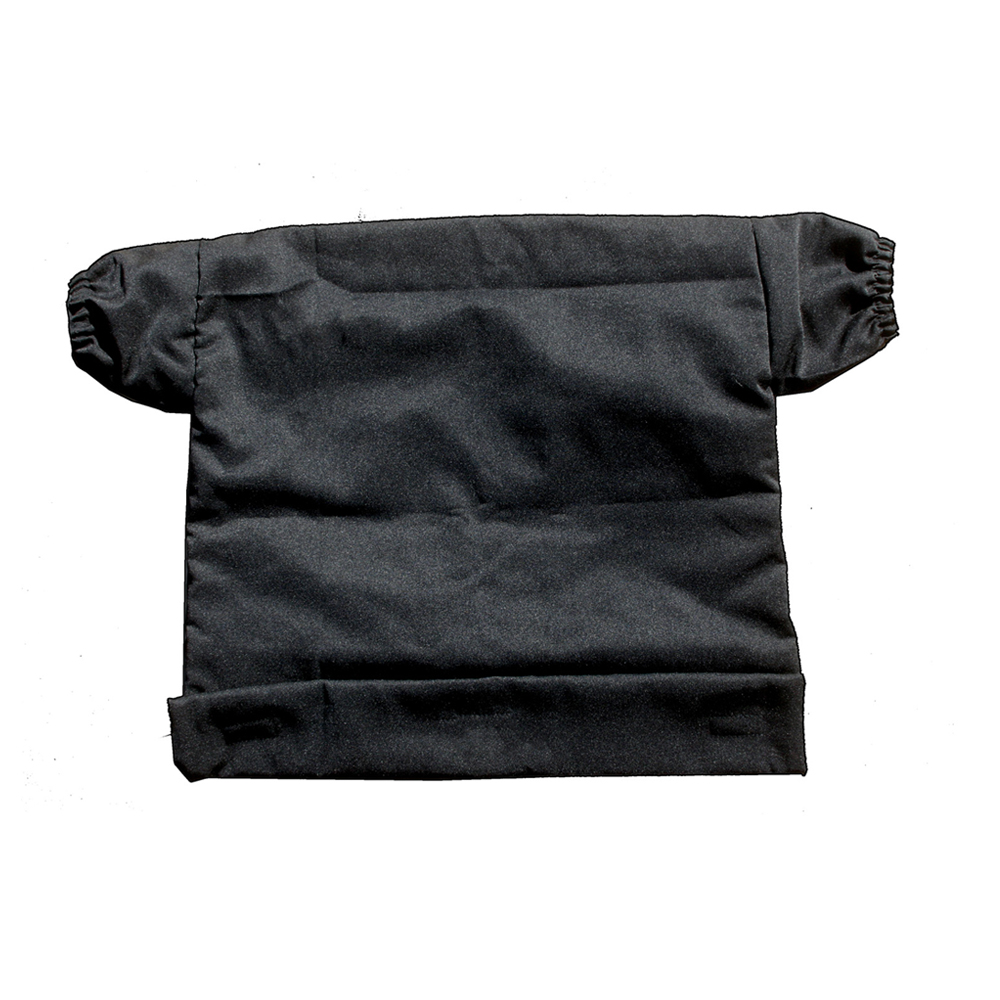
I have long thought that the best buy a film photographer can make, after a camera, is a changing bag, to handle such emergencies.

Mine is the best part of 50 years old and still does the job, At the moment they appear to range in price £10 - £35. Here's one that should be long lived...

 
It basically wrapped itself to one side and slipped off the film spool !
Perhaps you might consider a bulk film loader...


Second hand versions seem to be going £25 or £30 at the moment.
 
in questo caso, oltre a perdere le foto, c'è il rischio di fare danni alla macchina ?
si srotola facilmente poi ?
It is unlikely that the camera would get damaged

If you have a changing bag, you can put the camera in the bag together with the developing tank and spool, and load the film into the tank ready for developing. If you're not doing your own developing, then the film is wasted and you'll have to try again.
 
Last edited:
Perhaps you might consider a bulk film loader...


Second hand versions seem to be going £25 or £30 at the moment.
but that roll was made with a bulk film loader but was not used enough duct tape.

now for the duct tape i'm doing as here:
View: https://youtu.be/Z1uc66mLcps?t=290


i don't have at home the bulk film loader so i want just to do a test to see if work fine loading the film in the roll by hands but when i try to take load the camera with that film the camera do something that don't happen uscually with commercial roll of film :(

View: https://www.youtube.com/watch?v=Bir9GOPV3k0


These Canon cameras are programmed to load the entire negative into the cassette and take it out again to shoot on the last frame of the negative, maybe this is the problem ?

that is 27 frames film in that roll.

It is unlikely that the camera would get damaged

If you have a changing bag, you can put the camera in the bag together with the developing tank and spool, and load the film into the tank ready for developing. If you're not doing your own developing, then the film is wasted and you'll have to try again.
ok but that time don't worry about that, i would understand why this is happening to avoid will happen again.
 
You have said the camera is a Canon EF.

So far as I am aware, that model doesn't have automatic loading. If I'm correct, you have to insert the film's tongue into the take up spool and then wind on once WITH THE BACK OPEN, and ensure that the film has been "locked" into place. Then close the back and wind on twice, You should then be ready to take your first picture.

If you need it, the instruction manual is here...

 
I'll test it on a Canon 1000Nf
Did you test your bulk loaded film on this camera?

My Canon EOS 1000fn (and I'm pretty sure my EOS 300 and 650 do too) completely move all the film onto the take up spool on loading and then each shot you take goes back into the film cannister.

If the film detached from the bulk loaded cannister (say through insufficient tape) then there is no way it could wind back in during use. I think you mentioned it was all scrunched up inside the camera so the above could be why.
 
The Canon EF is a sturdy mechanical camera. You are not going to damage it by loading a film slightly longer or shorter than a factory loaded cassette. As noted elsewhere you can damage the film by winding on one too many frames or not pushing the rewind button in or a bunch of other issues and yes, we have all done it!

As you are a beginner and you have an untested camera and you have concerns about bulk loading may I respectfully suggest you limit the scope of your risk by testing/trying one thing at a time? Use a factory loaded film to test the camera. If the camera works start using bulk film and get the hang of that.

None of these things are difficult in isolation but if you are asking questions like this maybe give yourself a break and do one thing at a time. I couldn’t count the number of times people used to come into the store(s) I worked in during the 80’s or 90’s having got one or more of these not difficult things wrong!

Also a changing bag is pretty much a necessity in the wonderful world of film photography.
 
Did you test your bulk loaded film on this camera?

My Canon EOS 1000fn (and I'm pretty sure my EOS 300 and 650 do too) completely move all the film onto the take up spool on loading and then each shot you take goes back into the film cannister.

If the film detached from the bulk loaded cannister (say through insufficient tape) then there is no way it could wind back in during use. I think you mentioned it was all scrunched up inside the camera so the above could be why.

The Canon EF is a sturdy mechanical camera. You are not going to damage it by loading a film slightly longer or shorter than a factory loaded cassette. As noted elsewhere you can damage the film by winding on one too many frames or not pushing the rewind button in or a bunch of other issues and yes, we have all done it!

As you are a beginner and you have an untested camera and you have concerns about bulk loading may I respectfully suggest you limit the scope of your risk by testing/trying one thing at a time? Use a factory loaded film to test the camera. If the camera works start using bulk film and get the hang of that.

None of these things are difficult in isolation but if you are asking questions like this maybe give yourself a break and do one thing at a time. I couldn’t count the number of times people used to come into the store(s) I worked in during the 80’s or 90’s having got one or more of these not difficult things wrong!

Also a changing bag is pretty much a necessity in the wonderful world of film photography.
Hello :)

i have tried using thin tape, and the problem is the same: the Canon 1000F N, instead of moving the film to the right, retracts the film. Haha.

I've tried several times, but nothing works. I don't understand why the first time it managed to wind this same film until the tape came off the spool, and then it wouldn't rewind.

I tested this same roll I created with other Canon EF cameras, and it worked flawlessly on the 50e, 300, and 300v. I don't understand why it doesn't work on the 1000f N... but, well, maybe the camera doesn't handle these rolls well and is particularly sensitive to film tension.

This 1000f N also loads color film without any problems.
 
I've tried several times, but nothing works. I don't understand why the first time it managed to wind this same film until the tape came off the spool, and then it wouldn't rewind.
Perhaps a foolish question but ...

When you say "until the tape came off the spool" do you mean the film separated from the FEED spool? You should never allow that to happen because then the rewind has nothing to work with.

On the other hand, if you mean that when rewinding the film came off the take up spool, that's exactly what's supposed to happen.

Can you confirm which camera you are having the problem with?

The EF is a manual camera with a rewind knob, the other cameras are automatic cameras without rewind knobs.
 
Back
Top